
"Lujiang coffee farm"
300 article(s) found

A brief introduction to the History and Culture of the Origin and Development of small Fine Coffee beans in Yunnan
In recent years, the development of Yunnan coffee is really good, and it is more standardized, with a full range of varieties, sun drying, shade drying, honey treatment, high altitude, yellow bourbon, and so on. The variety from bean seeds to treatment methods is no longer the Yunnan coffee before. Data sources online honey processing method: honey treatment is the process of making raw coffee beans by removing the peel and pulp layer and drying the raw coffee beans with mucous membrane.

A brief introduction to the History and Culture of the Origin and Development of Yunnan small Coffee Huaguoshan Coffee
In addition, although the environmental problems of coffee cultivation can meet the standards of hot areas, they are far away from the equator, evaporation, large-scale coffee cultivation in Yunnan is less than 1100m above sea level, the severe drought in Yunnan in recent years, and the frost period in the producing areas, and so on, all make the cultivation of coffee can not be guaranteed normally, directly affecting the quality of coffee production. As for other processing problems and the quality of farmers, let alone say so.

Coffee growing environment
Arabica scientific name: Coffea arabica family: Rubiaceae coffee morphological characteristics: small trees or large shrubs, plant height 5~8 meters. Base usually much branched, older branches gray. nodes dilated, young branches glabrous. Leaves thin leathery ovate-lanceolate or lanceolate, apex long acuminate, base cuneate or slightly obtuse, entire or shallowly undulate, glabrous on both sides. Cymes several clustered in leaf axils

The first coffee factory in China grows and produces coffee in Yunnan.
China's first coffee factory planted and produced coffee in Yunnan in 1955. Yunnan reclamation people began to operate Lujiang farmers in Baoshan, Yunnan Province.

Growth Environment and brewing of small Coffee
Small grain coffee scientific name: Coffea arabica family genus: Rubiaceae coffee genus morphological characteristics: small trees or large shrubs, plant height 5 meters 8 meters. Base usually much branched, old branches gray-white. Nodes inflated, young branches glabrous. Leaves thinly leathery-ovate-lanceolate or lanceolate, apex long acuminate, base cuneate or slightly obtuse, entire or shallowly wavy, both surfaces glabrous. Cymes several clustered in leaf axils

The introduction and source of small coffee novice must see
Arabica scientific name: Coffea arabica family: Rubiaceae coffee morphological characteristics: small trees or large shrubs, plant height 5~8 meters. Base usually much branched, older branches gray. nodes dilated, young branches glabrous. Leaves thin leathery ovate-lanceolate or lanceolate, apex long acuminate, base cuneate or slightly obtuse, entire or shallowly undulate, glabrous on both sides. Cymes several clustered in leaf axils

Yunnan coffee common sense coffee growing environment and brewing
Arabica scientific name: Coffea arabica family: Rubiaceae coffee morphological characteristics: small trees or large shrubs, plant height 5~8 meters. Base usually much branched, older branches gray. nodes dilated, young branches glabrous. Leaves thin leathery ovate-lanceolate or lanceolate, apex long acuminate, base cuneate or slightly obtuse, entire or shallowly undulate, glabrous on both sides. Cymes several clustered in leaf axils

Common sense of Chinese Coffee growth Environment and brewing of small Coffee
Small grain coffee scientific name: Coffea arabica family genus: Rubiaceae coffee genus morphological characteristics: small trees or large shrubs, plant height 5 meters 8 meters. Base usually much branched, old branches gray-white. Nodes inflated, young branches glabrous. Leaves thinly leathery-ovate-lanceolate or lanceolate, apex long acuminate, base cuneate or slightly obtuse, entire or shallowly wavy, both surfaces glabrous. Cymes several clustered in leaf axils

General knowledge of fine coffee the growing environment of small-grain coffee
Small grain coffee scientific name: Coffea arabica family genus: Rubiaceae coffee genus morphological characteristics: small trees or large shrubs, plant height 5 meters 8 meters. Base usually much branched, old branches gray-white. Nodes inflated, young branches glabrous. Leaves thinly leathery-ovate-lanceolate or lanceolate, apex long acuminate, base cuneate or slightly obtuse, entire or shallowly wavy, both surfaces glabrous. Cymes several clustered in leaf axils

Common sense of Coffee beans in Yunnan growth Environment and brewing of small Coffee
Small grain coffee scientific name: Coffea arabica family genus: Rubiaceae coffee genus morphological characteristics: small trees or large shrubs, plant height 5 meters 8 meters. Base usually much branched, old branches gray-white. Nodes inflated, young branches glabrous. Leaves thinly leathery-ovate-lanceolate or lanceolate, apex long acuminate, base cuneate or slightly obtuse, entire or shallowly wavy, both surfaces glabrous. Cymes several clustered in leaf axils

Where to sell coffee in Baoshan _ the development status of Baoshan small-grain coffee industry _ where is there coffee in Baoshan, Yunnan?
Professional coffee knowledge exchange more coffee bean information please follow Coffee Workshop (Wechat official account cafe_style) Yunnan, as a major agricultural province in China, has unique geographical and climatic advantages, and there are countless small resources on Yunnan land. What the editor wants to introduce to you today is coffee, a small resource product that has nothing to do with Yunnan at first glance. Yunnan small grain coffee
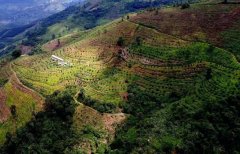
What is the boutique coffee in China, the development history of Yunnan coffee, is Yunnan coffee beans delicious?
Yunnan, as the main coffee producing area in China, what special flavor does it have? In recent years, Yunnan coffee beans stand out in the raw bean competition and become a group of dark horses to enter the boutique coffee market, so what is the unique charm of Yunnan coffee? What kind of story does it have? The first Yunnan coffee beans were introduced by Tian Deneng, a French Catholic missionary, via Vietnam in 1904.

Yunnan Coffee production Base introduction: the first coffee factory in China the development history of coffee beans in Yunnan, China
Professional coffee knowledge exchange more coffee bean information please follow the coffee workshop (Wechat official account cafe_style) in 1955, Yunnan reclamation people began to defend the border in Baoshan, Yunnan state-run Lujiang farmers

Where is the first coffee factory in China? Yunnan small Coffee Brand-how about Yunnan Nongken Coffee
Professional coffee knowledge exchange more information about coffee beans Please follow the coffee workshop (official account cafe_style of Wechat) when talking about Yunnan small-grain coffee, we have to mention Yunnan coffee factory. In 1955, Yunnan reclamation people began to operate Lujiang farmers in Baoshan, Yunnan Province.

Yunnan Tiekka Coffee Flavor Description Grind Scale Variety Production Area Treatment Method Introduction
Typica: Ethiopia's oldest native variety, produced in Ethiopia and the southeast of Sudan, all Arabica are derived from Typica. Elegant flavor, but weak constitution, poor disease resistance, fruit yield less. Jamaica Blue Mountains, Sumatra Mandalay, Hawaii Kona

The relationship between Yunnan small Coffee and Katim Coffee beans Why does Catimor Katim's hand flush taste bad?
Professional coffee knowledge exchange more coffee bean information please follow the coffee workshop (Wechat official account cafe_style) small-grain coffee [scientific name] small-grain species is Coffea arabica L., medium-grain species is Coffea canephora, large-grain species are Coffea liberica family: Rubiaceae coffee genus [alias] small-grained species also known as Arabian species, medium-grained species also known as Ganfla species, large-grained species

Introduction to the characteristics of varieties in Yunnan Tieka Coffee Bean Flavor description
Yunnan Tieka coffee beans are mainly planted in Dehong Lincang and Pu'er Banna in western Yunnan. Robusta was the main coffee introduced by missionaries in the 19th century, and then they were no longer planted on a large scale. In the 1950s, experts assisted by the Soviet Union put two mainstream Arabica varieties in the world: typica and Bourbon bourb.

Basic knowledge of coffee introduction: coffee flower coffee blossoms
Coffee flowers can be enjoyed at the beginning of the second or third year of coffee planting. if there are no special circumstances, they will blossom and bear fruit naturally, so it is easy to think that the harvest of coffee trees will be 2-3 years later. Coffee flowers are white, born in the axils of the leaves, where the leaves come into contact with the branches, usually appear in clusters, each flower will have 5-6 petals, slender micro-roll, look at the picture is very
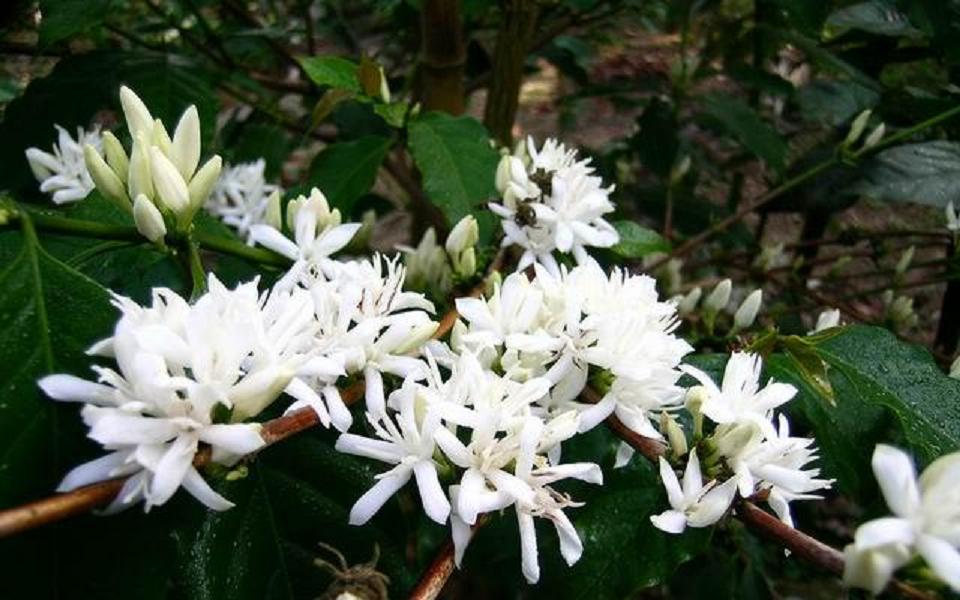
Basic knowledge of coffee introduction: coffee flower coffee blossoms
Coffee flowers can be enjoyed at the beginning of the second or third year of coffee planting. if there are no special circumstances, they will blossom and bear fruit naturally, so it is easy to think that the harvest of coffee trees will be 2-3 years later. Coffee flowers are white, born in the axils of the leaves, where the leaves come into contact with the branches, usually appear in clusters, each flower will have 5-6 petals, slender micro-roll, look at the picture is very
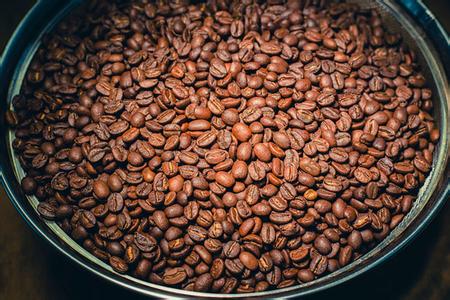
Flavor description of sun-cured coffee beans in Baoshan, Yunnan Province
The flavor of sun-cured coffee beans in Baoshan, Yunnan describes the environmental problems of coffee cultivation in the law-producing areas. Although it can reach the standard of hot areas, it is far away from the equator, the problem of evaporation, and the large-scale coffee cultivation in Yunnan is less than 1100m above sea level. in recent years, the severe drought in Yunnan, as well as the frost period in the producing areas, have made it impossible to guarantee the cultivation of coffee, which directly affected the quality of coffee production. To